Learn
The Mastering Migraine Resource Library
A plain-language library built from the research behind Dr. Harcourt’s Mastering Migraine courses: what migraine is, the stressors that fill your bucket, and a four-pillar approach to care.
39 articles · 493 research sources · 4 pillars of care
Start here
Three ways into the library
Understanding Migraine
What migraine is, what happens in the brain, the different types, and why it deserves to be taken seriously.
Common Stressors
The lifestyle, nutritional, hormonal, musculoskeletal and neurological factors that fill the migraine bucket.
The Mastering Migraine Approach
Dr. Harcourt’s four-pillar approach to care: nutritional, hormonal, musculoskeletal and neurological, built on a foundation of lifestyle.
The four factors
What fills the migraine bucket
Dr. Harcourt groups the drivers of migraine into four factors, built on a foundation of everyday lifestyle habits like sleep, stress and meals. Each one links to the stressors behind it and how it is treated.
Hormonal
Estrogen, progesterone, testosterone and stress hormones.
Nutritional
Blood sugar, food sensitivities, caffeine and nutrient levels.
Neurological
How the brain processes information from the eyes, inner ears and body.
Lifestyle factors: stress · sleep · caffeine · light, smells and screens
The Bucket Theory
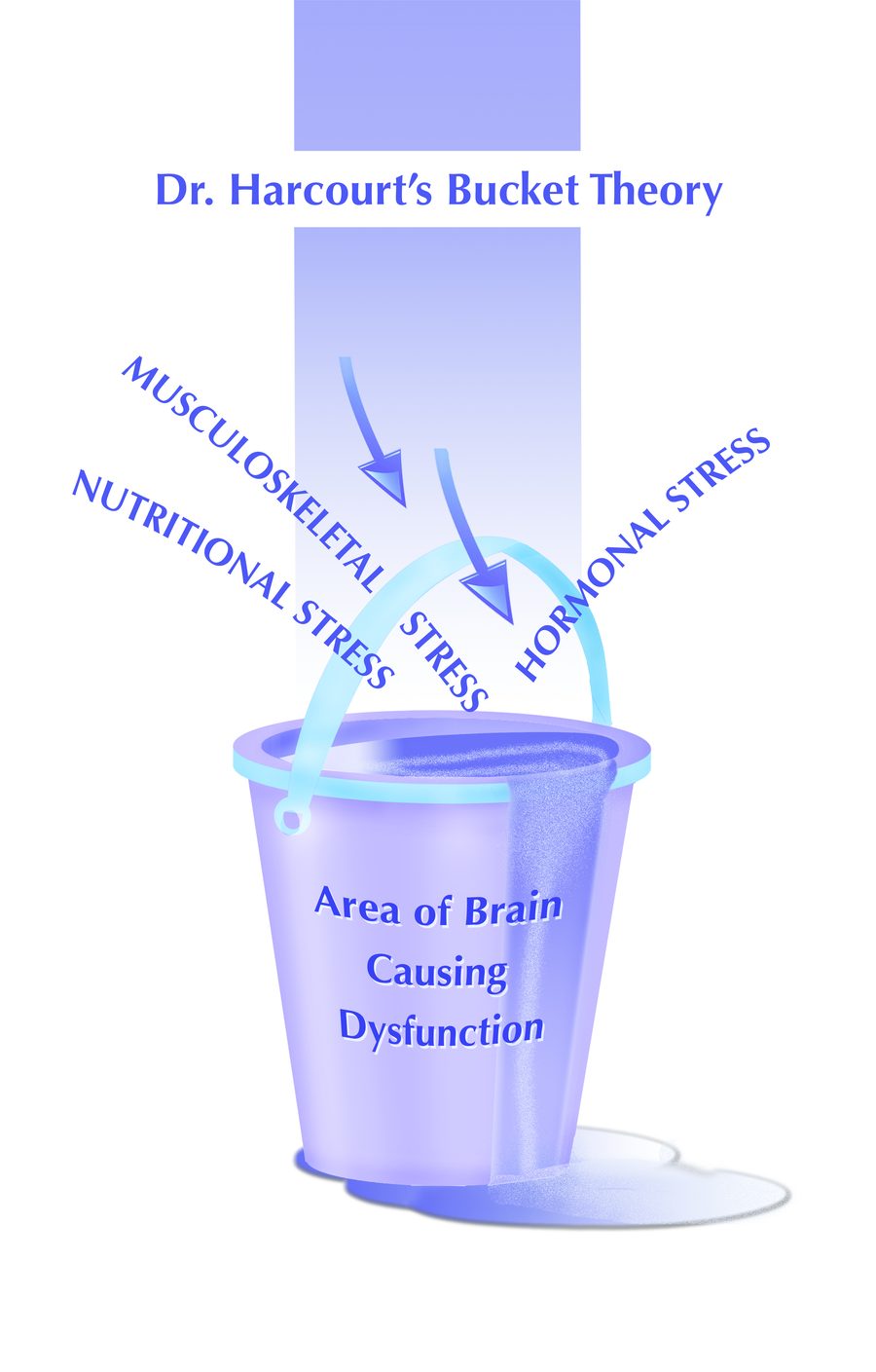
Picture your nervous system as a bucket. Every stressor adds a little water: a short night of sleep, a skipped meal, a stressful week, a hormonal shift, a stiff neck. Most days the bucket holds. On the day it overflows, a migraine starts.
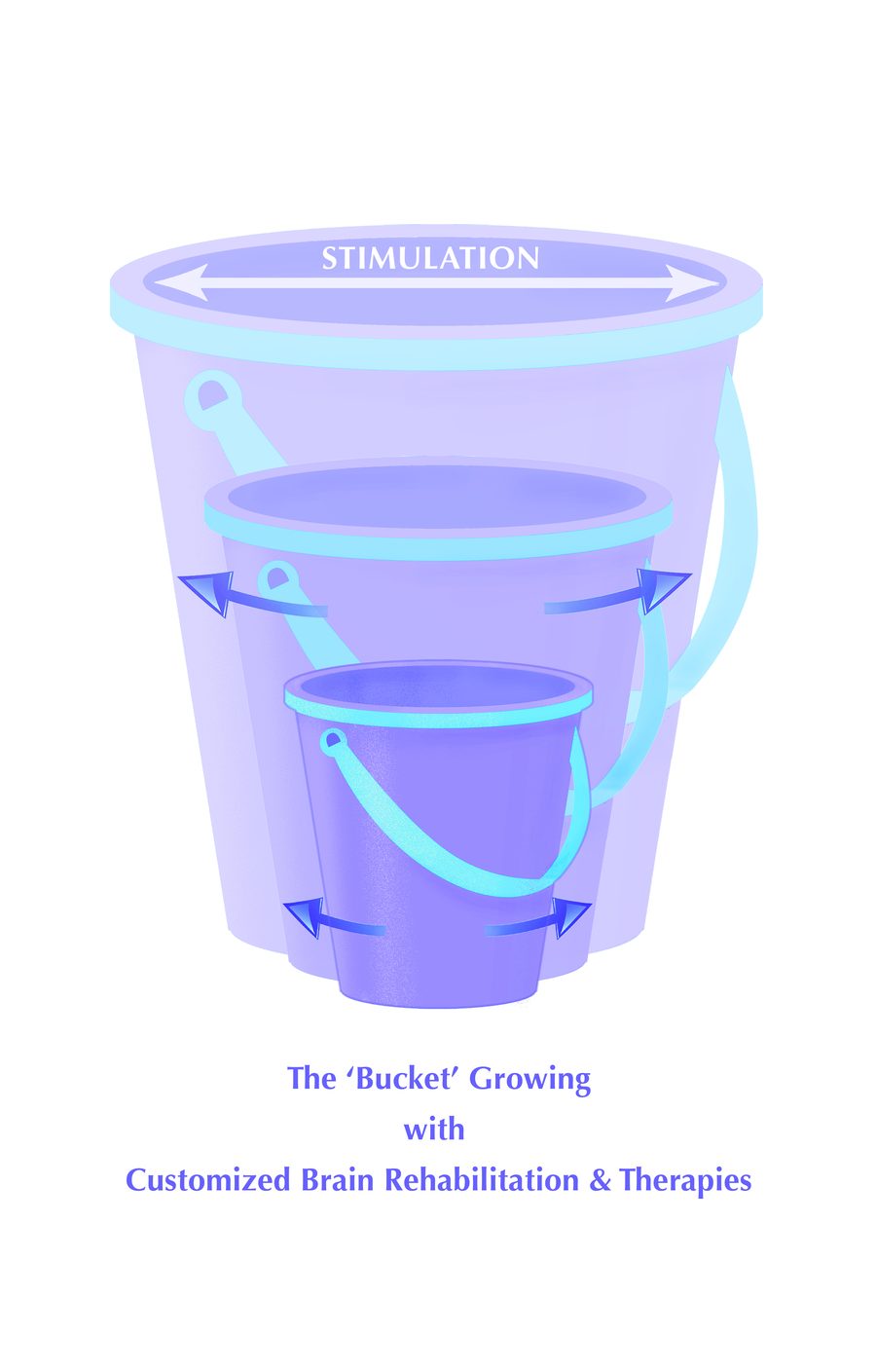
That is why the same trigger doesn’t always cause an attack, and why lowering several small factors works. The goal of care is twofold: take water out of the bucket, and make the bucket bigger.
Popular starting points
What migraine really is
Migraine is a brain disorder of how sensory information is processed, not simply a bad headache.
5 min read
The four phases of a migraine attack
An attack often begins a day or two before the pain, and its effects can linger after it ends.
4 min read
The Mastering Migraine Diet
Dr. Harcourt’s dietary guidelines: steady blood sugar, whole foods, and a structured approach to histamine and caffeine.
7 min read
What research says about supplements
The supplements studied for migraine prevention and during attacks, and how to use this information safely.
6 min read
Eyes, balance and dizziness
How the visual and vestibular (balance) systems can drive migraine and vertigo.
5 min read
Estrogen and the menstrual cycle
Why migraine is three times more common in women, and how estrogen changes affect attacks.
5 min read
Tools and reference
When to get urgent medical care
Call 911 for a sudden, explosive “worst ever” headache, new weakness, numbness or trouble speaking, a headache with fever and stiff neck, or a severe headache after a head injury.
Trusted migraine resources
Association of Migraine Disorders
A nonprofit focused on the full spectrum of migraine, with patient education, the free Migraine Toolbox course, and the Spotlight on Migraine podcast. Dr. Harcourt serves on its Specialty Representative Advisory Board.
American Migraine Foundation
Patient education, a doctor finder, and community support from the American Headache Society’s foundation.
NIH: NINDS migraine information
An overview of migraine from the National Institute of Neurological Disorders and Stroke, plus current research.
Harcourt Brain Center evidence briefs
How each part of a migraine plan is chosen, and how strong the research is behind it.
Free 2026 Migraine Guide
Dr. Harcourt’s free guide to what makes the bucket overflow.
Find a doctor
Clinicians who take a comprehensive approach to all four factors of migraine.
Mastering Migraine is an educational resource and is not a substitute for individualized medical care. Always talk with your own doctor before changing medications, starting supplements, or beginning a new treatment.

