Common Stressors
Sleep and your body clock
Too little, too much, or irregular sleep can all contribute to migraine.
4 min read · 7 research sources · Based on the Mastering Migraine courses by Dr. Adam Harcourt
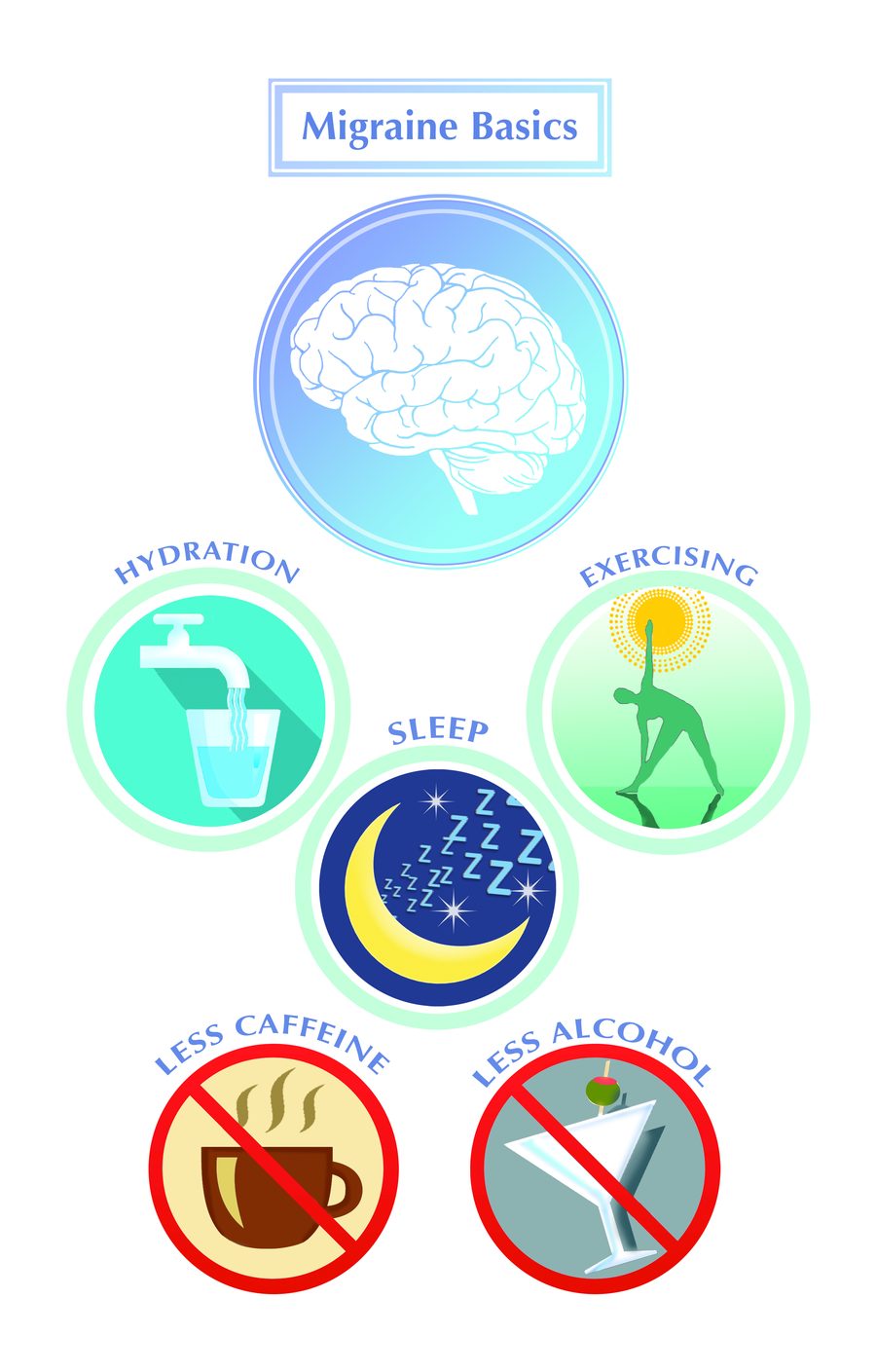
Sleep and migraine are deeply linked. The brain regions that run your sleep-wake cycle are the same ones that become active at the start of a migraine attack 1.
What the research shows
- In a large US study of people with migraine, symptoms of insomnia and sleep disorders were common and were associated with more frequent headaches and more disability 2.
- People with sleep-related migraine (attacks that start during sleep or on waking) show differences in the nervous system’s control of heart rate during sleep 3.
- Migraine attacks follow daily rhythms, often clustering at particular times of day, which supports a role for the body clock 4.
Common sleep patterns that fill the bucket
- Short nights, or catching up with long lie-ins on weekends
- Irregular bedtimes, shift work, and jet lag
- Snoring or pauses in breathing (possible sleep apnea, worth discussing with your doctor)
- Late-night screen time and caffeine
What helps
- Keep a consistent schedule, even on weekends. Consistency matters more than a perfect number of hours.
- Protect the hour before bed: dim light, no work email, a calming routine.
- Morning light: getting outdoor light early in the day helps anchor your body clock.
- Melatonin has been studied for migraine prevention in adults and children, with some trials showing benefit 5,6,7. Ask your clinician whether it is appropriate for you.
This article is educational and does not replace a personal evaluation. Talk with your clinician before making changes to medications, supplements or diet.
Research cited on this page
- Goadsby PJ, Holland PR, Martins-Oliveira M, et al. Pathophysiology of Migraine: A Disorder of Sensory Processing. Physiol Rev. 2017;97(2):553-622. PubMed 28179394 · DOI
- Buse DC, Rains JC, Pavlovic JM, et al. Sleep Disorders Among People With Migraine: Results From the Chronic Migraine Epidemiology and Outcomes (CaMEO) Study. Headache. 2019;59(1):32-45. PubMed 30381821 · DOI
- Vollono C, Gnoni V, Testani E, et al. Heart rate variability in sleep-related migraine without aura. J Clin Sleep Med. 2013;9(7):707-14. PubMed 23853566 · DOI
- Park JW, Cho SJ, Park SG, et al. Circadian variations in the clinical presentation of headaches among migraineurs: A study using a smartphone headache diary. Chronobiol Int. 2018;35(4):546-554. PubMed 29283309 · DOI
- Alstadhaug KB, Odeh F, Salvesen R, et al. Prophylaxis of migraine with melatonin: a randomized controlled trial. Neurology. 2010;75(17):1527-32. PubMed 20975054 · DOI
- Ebrahimi-Monfared M, Sharafkhah M, Abdolrazaghnejad A, et al. Use of melatonin versus valproic acid in prophylaxis of migraine patients: A double-blind randomized clinical trial. Restor Neurol Neurosci. 2017;35(4):385-393. PubMed 28800342 · DOI
- Fallah R, Fazelishoroki F, Sekhavat L. A Randomized Clinical Trial Comparing the Efficacy of Melatonin and Amitriptyline in Migraine Prophylaxis of Children. Iran J Child Neurol. 2018;12(1):47-54. PubMed 29379562
Mastering Migraine is an educational resource and is not a substitute for individualized medical care. Always talk with your own doctor before changing medications, starting supplements, or beginning a new treatment.

