Learn / The Mastering Migraine Approach
The Mastering Migraine Approach
The Mastering Migraine framework
Four pillars of care, nutritional, hormonal, musculoskeletal and neurological, built on a foundation of lifestyle.
5 min read · 5 research sources · Based on the Mastering Migraine courses by Dr. Adam Harcourt
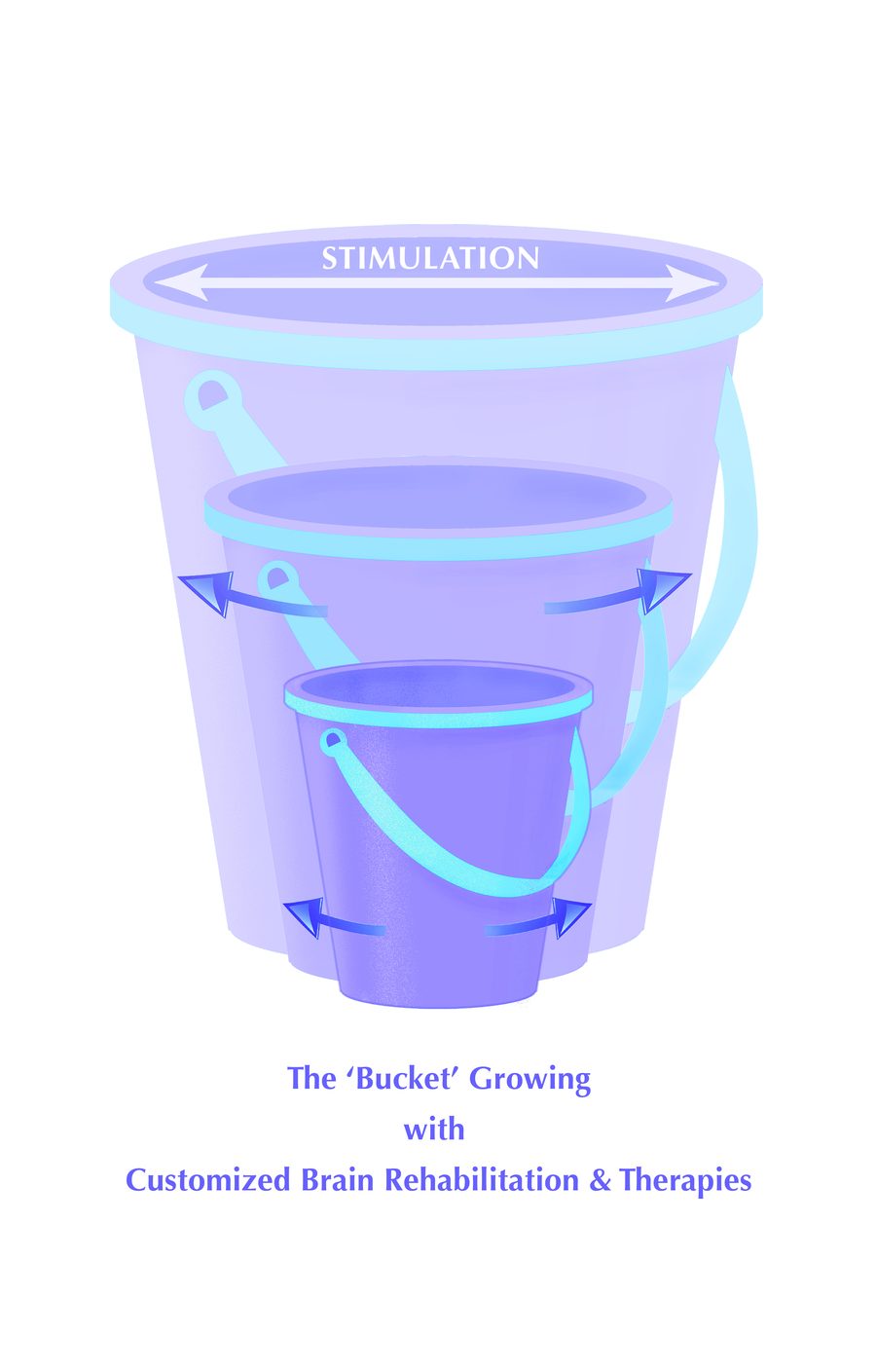
Dr. Adam Harcourt’s Mastering Migraine framework starts from one idea: migraine is a whole-brain, whole-body condition, so care should be comprehensive from day one. Rather than chasing one trigger or one medication at a time, the framework looks for every factor that is filling your bucket and addresses them together.
The four pillars
- Nutritional: blood sugar regulation, food sensitivities like histamine and gluten, caffeine, and nutrient levels such as vitamin D, magnesium and B vitamins. See The Mastering Migraine Diet and Supplements.
- Hormonal: estrogen, progesterone, testosterone and stress hormones, evaluated with testing and coordinated with your prescribing physician. See Hormones: testing and balance.
- Musculoskeletal: the neck, jaw, posture and muscle tension, which feed directly into the brain’s pain pathways. See Musculoskeletal care.
- Neurological: how your brain is processing information from the eyes, inner ears and body, and how well it regulates pain and the autonomic nervous system. See Neurological rehabilitation.
The foundation: lifestyle
Underneath the pillars are the lifestyle factors that shape the stress response: stress, rest and sleep, diet and nutrition, physical activity, community and purpose, and hygiene and habit 1. Small, consistent changes here make every other treatment work better.
Why comprehensive care?
- The research on migraine points to a sensitive brain influenced by genetics, hormones, sleep, diet, stress and the senses 2.
- Many complementary approaches, including riboflavin, magnesium, CoQ10, butterbur and feverfew, have evidence for migraine prevention and appear in guidelines 3,4.
- The American Headache Society recognizes that neuromodulation and behavioral therapies can be appropriate for both preventive and acute treatment 5.
Working alongside your doctors
This framework is designed to complement, not replace, care from your primary care physician or neurologist. Dr. Harcourt’s team coordinates with your prescribing physician, and you should never stop or change a medication without talking to them. See Working with your medical team.
Individualized, not one-size-fits-all
Every person’s bucket is filled differently. Your plan is based on your history, exam and testing, and it is re-evaluated as you improve.
This article is educational and does not replace a personal evaluation. Talk with your clinician before making changes to medications, supplements or diet.
Research cited on this page
- Guilliams TG. The Role of Stress and the HPA Axis in Chronic Disease Management. Point Institute. 2015. Source
- Goadsby PJ, Holland PR, Martins-Oliveira M, et al. Pathophysiology of Migraine: A Disorder of Sensory Processing. Physiol Rev. 2017;97(2):553-622. PubMed 28179394 · DOI
- Holland S, Silberstein SD, Freitag F, et al. Evidence-based guideline update: NSAIDs and other complementary treatments for episodic migraine prevention in adults: report of the Quality Standards Subcommittee of the American Academy of Neurology and the American Headache Society. Neurology. 2012;78(17):1346-53. PubMed 22529203 · DOI
- Rhee TG, Harris IM. Reasons for and perceived benefits of utilizing complementary and alternative medicine in U.S. adults with migraines/severe headaches. Complement Ther Clin Pract. 2018;30:44-49. PubMed 29389478 · DOI
- American Headache Society. The American Headache Society Position Statement On Integrating New Migraine Treatments Into Clinical Practice. Headache. 2019;59(1):1-18. PubMed 30536394 · DOI
Mastering Migraine is an educational resource and is not a substitute for individualized medical care. Always talk with your own doctor before changing medications, starting supplements, or beginning a new treatment.

